Source Foldable Handheld Garment Steamer for Travel, Hotel, and Home
Compare 30 foldable handheld garment steamer options from China. Evaluate features like power, water tank capacity, and certifications to find the right portable steamer for your business needs. Review specifications including weight, material, and warranty terms to ensure quality and reliability for wholesale procurement.
Key considerations
Products List


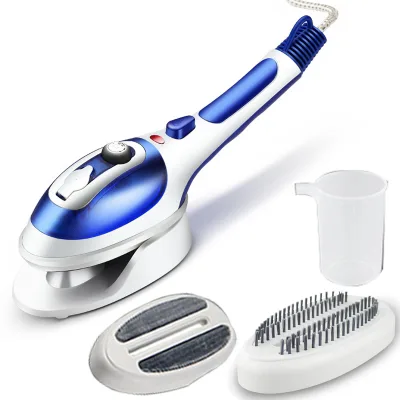
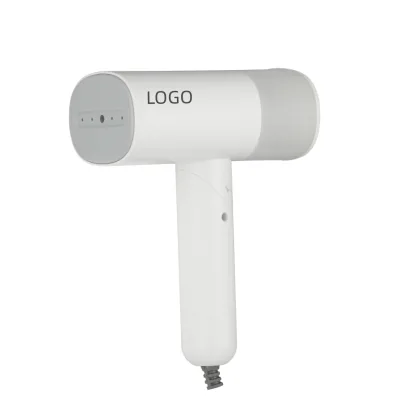


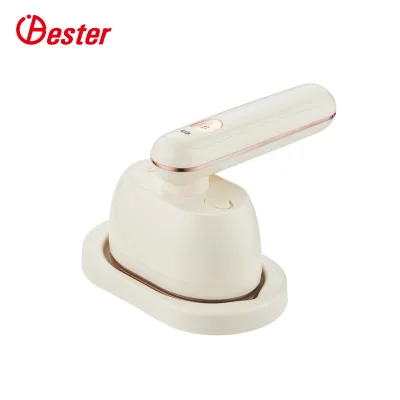
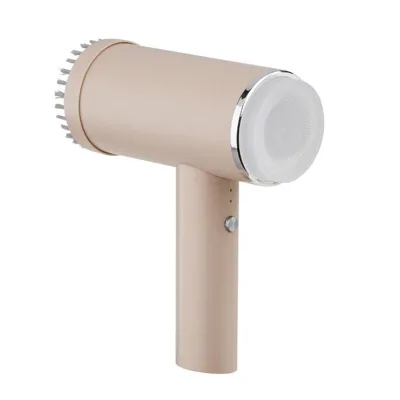


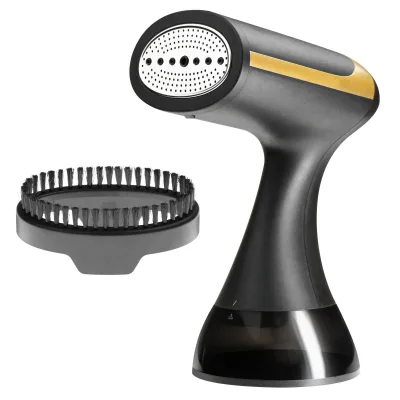

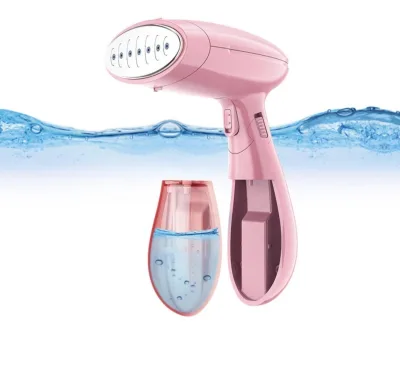
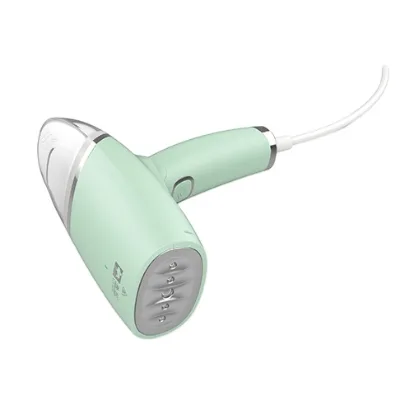
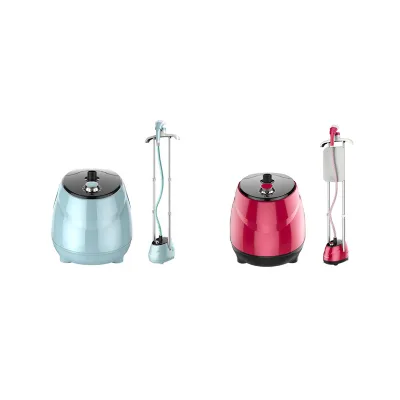
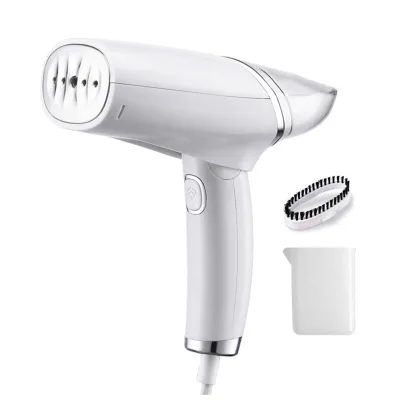
Comprehensive Sourcing Guide
Foldable Handheld Garment Steamer Sourcing Guide
Buyers evaluating foldable handheld garment steamers must first distinguish between compact travel units and higher-power household models, as the market presents distinct performance profiles. Observed listings indicate a wide variance in power ratings, ranging from 800W portable devices to units exceeding 1500W, which directly impacts steam output and heat-up time. Procurement teams should verify the specific wattage required for their target application, whether it is for quick touch-ups in hotels or heavy-duty wrinkle removal in domestic settings.
The physical form factor and water tank capacity are critical decision points that define the user experience and portability. While some models feature a compact 150ml tank suitable for brief trips, others offer larger 350ml or 0.8L reservoirs to extend continuous steaming time without frequent refills. Sourcing strategies must align the product's size, weight, and tank capacity with the intended end-user, ensuring the device balances convenience with the functional demand for sustained steam generation.
Product Scope and Observed Listing Signals
The current market for foldable handheld steamers includes diverse configurations ranging from mini units to robust jet and spray styles, often featuring electronic temperature control for precise fabric care. Listings frequently highlight customization options such as silk screen printing, laser printing, or hot foil stamping, allowing brands to tailor the aesthetic and branding of the device. Buyers should scrutinize these customization capabilities to ensure they match their specific marketing needs while maintaining the structural integrity of the handheld unit.
Material composition and color options vary significantly across suppliers, with common constructions utilizing ABS, PC, and stainless steel to ensure durability and heat resistance. Observed color palettes include white, blue, and pink, catering to different consumer preferences and retail segments. Procurement teams must verify that the selected material blend meets the required safety standards for high-temperature operation while providing a comfortable grip and a lightweight profile for extended use.
Technical Specifications to Verify
Power consumption and steam generation capabilities are the primary technical differentiators that buyers must validate against their operational requirements. While some units operate at 800W for energy efficiency, others deliver over 1500W for rapid steam production, necessitating a clear understanding of the voltage and plug type compatibility for the target export market. Verification of the rated power ensures the device will function correctly within the electrical infrastructure of the destination country without tripping circuits or underperforming.
Water tank capacity and heating technology directly influence the continuous usage time and the effectiveness of wrinkle removal. Buyers should confirm whether the unit supports anti-dry burning protection, as this safety feature prevents damage to the heating element and extends the product lifespan. Additionally, the specific dimensions of the single package and the export carton must be calculated to optimize logistics costs, ensuring the compact design translates efficiently into shipping volumes.
Compliance and Safety Documentation
Regulatory compliance is a non-negotiable aspect of sourcing, with many suppliers providing certifications such as CE, GS, RoHS, CB, and EMC to demonstrate adherence to international safety standards. These certifications are essential for market access in regions like Europe and the Middle East, where products must meet strict electromagnetic compatibility and hazardous substance restrictions. Procurement teams must request valid test reports to verify that the specific batch of steamers meets these regulatory requirements before finalizing any purchase order.
Beyond general certifications, buyers should investigate specific safety mechanisms like automatic shut-off features and the absence of harmful substances such as PAHs. The presence of these safety attributes ensures the product protects both the user and the environment, reducing liability risks for the importer. It is critical to confirm that the documentation provided by the supplier is current and covers the exact model number being sourced, as compliance status can vary between different production runs.
Cost Drivers and Commercial Terms
Pricing for foldable handheld garment steamers fluctuates based on power output, material quality, and the extent of customization requested by the buyer. Observed price ranges in the market span from approximately $5.50 to $17.60, reflecting the difference between basic models and those with advanced electronic controls or premium finishes. Buyers should analyze the cost structure to understand how factors like the inclusion of a gift box or specific packaging details influence the final unit price.
Minimum Order Quantities (MOQ) and payment terms are significant commercial variables that affect cash flow and inventory planning. While some suppliers offer low MOQs starting at 10 pieces, others may require orders up to 3000 units, depending on the customization level and production capacity. Negotiating flexible payment terms such as Trade Assurance, T/T, or PayPal can mitigate financial risk, while understanding the lead times associated with different order sizes helps in managing supply chain timelines effectively.
Supplier Qualification and Quality Control
Supplier reliability is often indicated by the provision of after-sales services, including free spare parts, return and replacement policies, and overseas call center support. These service commitments demonstrate a supplier's confidence in their product quality and their willingness to support the buyer in resolving potential issues post-delivery. Buyers should prioritize suppliers who explicitly offer these support mechanisms to ensure long-term operational stability and customer satisfaction in the end market.
Quality control processes must be rigorously assessed, focusing on the consistency of materials like ABS and stainless steel, as well as the precision of assembly. The presence of a warranty period, typically ranging from one to two years, serves as a key indicator of the manufacturer's commitment to product durability. Procurement teams should verify the specific warranty terms and the process for claiming replacements to ensure that any defects are addressed promptly and efficiently.
Long-Term Procurement Checks
Sustainable sourcing requires ongoing monitoring of product performance and supplier adherence to agreed-upon standards over time. Buyers should establish a schedule for periodic quality audits to ensure that the foldable handheld steamers continue to meet the initial specifications regarding power, water tank capacity, and safety features. This proactive approach helps in identifying any drift in quality or manufacturing processes before they impact the brand reputation or customer experience.
Market trends and consumer feedback should also be integrated into the long-term procurement strategy to adapt to evolving demands. As the market shifts towards more energy-efficient or compact designs, buyers must remain agile in updating their product specifications and supplier relationships. Regularly reviewing the product's application in settings like hotels and households ensures the sourcing strategy remains aligned with real-world usage patterns and emerging industry standards.
FAQs
What certifications are available for this handheld steamer?
The product holds CE, GS, RoHS, CB, EMC, EMF, and SASO certifications. These documents ensure compliance with international safety and environmental standards. Buyers can verify these credentials to meet specific regional import requirements. The certifications provide assurance of quality and regulatory adherence for global distribution channels.
Can I customize the logo on the garment steamer?
Yes, customization is available for logos and patterns. Options include silk screen printing, laser printing, and hot foil stamping. This allows brands to apply their unique identity to the white or blue/pink units. Custom branding helps distinguish products in competitive retail markets and supports private label strategies effectively.
What is the water tank capacity of the steamer?
The water tank capacity varies by model, with options including 150ml, 350ml, and 0.8L. Larger capacities support extended steaming sessions without frequent refilling. Buyers should select the size that matches their intended usage frequency. This flexibility accommodates both portable travel needs and heavier household or hotel laundry requirements efficiently.
What is the minimum order quantity for bulk purchases?
The minimum order quantity ranges from 1 to 3000 units depending on the supplier. Some listings specify an MOQ of 10 pieces for smaller trials. This wide range allows buyers to test market demand with low initial investment. Higher volumes typically unlock better pricing tiers and streamlined logistics for large-scale distribution operations.
What warranty and after-sales service are provided?
Warranty periods typically range from 1 to 2 years. After-sales support includes free spare parts, return and replacement services, and overseas call centers. These services ensure long-term product reliability and customer satisfaction. Buyers benefit from comprehensive support structures that minimize downtime and resolve technical issues promptly during the product lifecycle.
What materials are used in the steamer construction?
The steamer is constructed from ABS, PC, and stainless steel materials. These components provide durability, heat resistance, and a lightweight design. The combination ensures structural integrity while maintaining portability. Buyers receive a robust device suitable for frequent use in hotels or households without compromising on weight or aesthetic appeal.